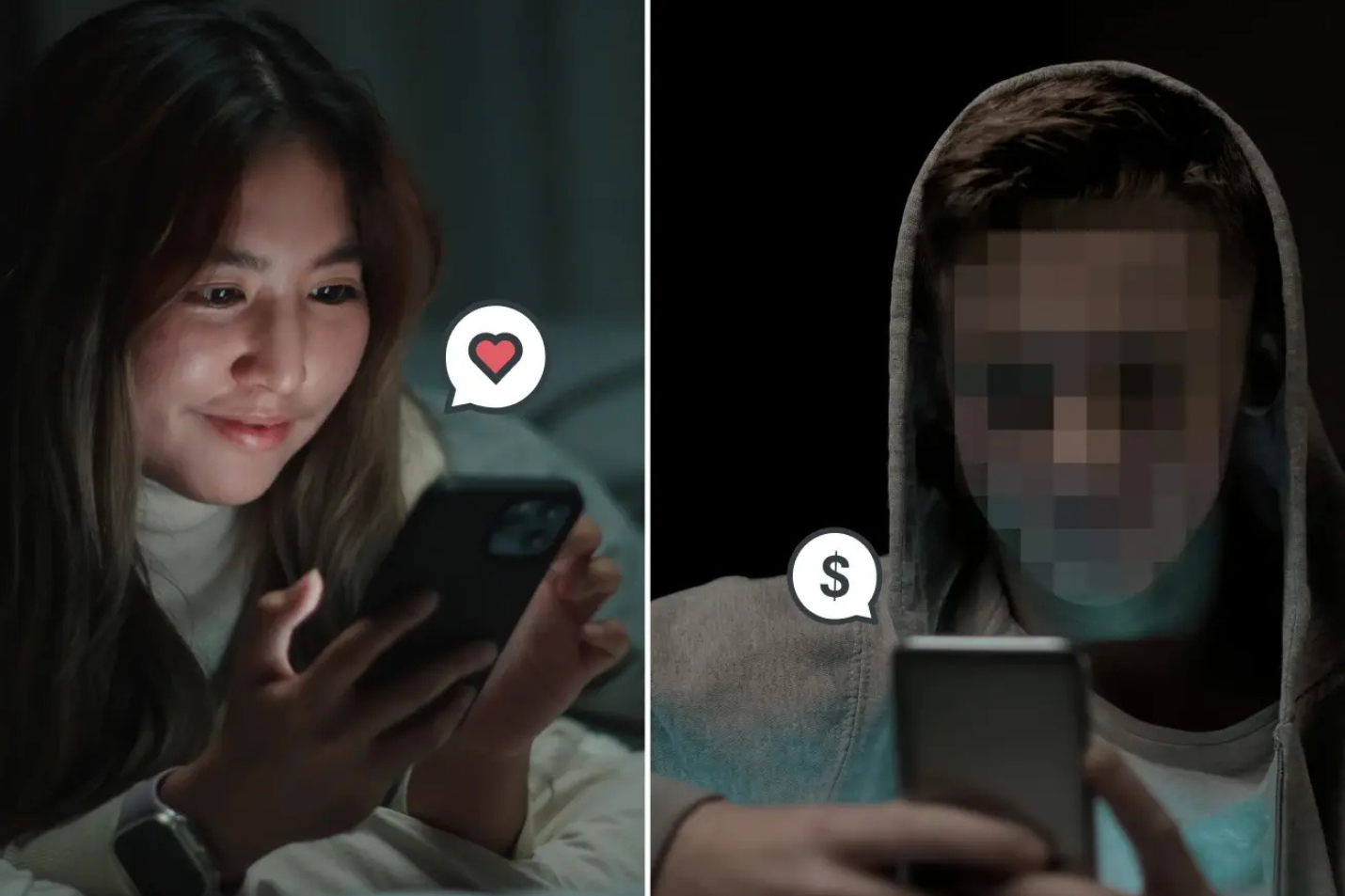
Romance scams are among the most
emotionally devastating forms of fraud. Instead of relying on hacking or
malware, scammers build fake relationships, earn your trust, and manipulate
your emotions until you willingly send them money or sensitive information.
These scams often unfold over weeks or
months, making them difficult to recognize until significant emotional and
financial damage has already been done.
In this chapter, you'll learn how romance scams work, the warning signs to watch for, and how to protect yourself and your loved ones.
The Growing Impact of Romance Scams
Romance scams continue to be one of the
most financially damaging types of fraud.
Recent reports show:
- Romance scams cost victims billions of dollars every
year.
- Victims often lose more money per incident than in
almost any other scam category.
- Many scams begin on social media, dating apps, or messaging
platforms.
- Older adults remain frequent targets, but people of all ages
have become victims.
- Emotional trauma often lasts far longer than the financial
loss.
Romance scammers don't simply steal money—they exploit trust, affection, and loneliness.
How Romance Scams Work
Most romance scams follow a predictable
pattern designed to slowly build trust before introducing financial requests.
Stage 1: First Contact
The scam usually begins with an unexpected
message on:
- Dating apps
- Facebook
- Instagram
- WhatsApp
- Telegram
- LinkedIn
- Other social media platforms
The scammer often uses stolen profile
photos and carefully crafted biographies to appear genuine.
Their first messages are friendly, personal, and flattering.
Stage 2: Building Emotional Trust
Over the following days or weeks,
communication becomes increasingly frequent.
The scammer may:
- Send good morning and good night messages.
- Call or video chat.
- Share fabricated life stories.
- Compliment you constantly.
- Talk about your future together.
This technique is commonly known as love
bombing.
The goal is to create emotional dependence as quickly as possible.
Stage 3: Creating Distance
Once trust has been established, the
scammer explains why meeting in person isn't possible.
Common excuses include:
- Military deployment.
- Working on an offshore oil rig.
- International business travel.
- Medical treatment overseas.
- Humanitarian work abroad.
Every excuse serves one purpose:
Preventing face-to-face verification.
Stage 4: The Financial Emergency
After the relationship feels genuine, an
unexpected crisis suddenly appears.
Common requests include:
- Emergency medical bills.
- Travel expenses to visit you.
- Visa or immigration fees.
- Customs charges.
- Business emergencies.
- Legal expenses.
- Family emergencies.
Scammers usually request payment through:
- Bank transfers.
- Gift cards.
- Cryptocurrency.
- Payment apps.
Some may even ask victims to receive or forward packages, unknowingly turning them into money mules.
Stage 5: Escalating Demands
The first payment is usually small.
Once the victim agrees, the requests become
larger and more frequent.
Every crisis is quickly followed by
another.
If the victim hesitates, the scammer may
respond with:
- Guilt.
- Anger.
- Emotional manipulation.
- Renewed affection.
- Promises of repayment.
The cycle continues until the victim can no longer provide money.
Common Types of Romance Scams
1. Traditional Romance Scams
This is the classic romance fraud.
The scammer spends weeks or months building
an emotional relationship before requesting financial assistance.
Common fake identities include:
- Military personnel.
- Doctors working overseas.
- Engineers on international projects.
- Widows or widowers.
- Business executives.
Warning Signs
- The relationship progresses unusually quickly.
- They avoid meeting in person.
- Every problem eventually requires money.
2. Cryptocurrency Romance Scams
("Pig Butchering")
One of the fastest-growing romance scams
combines emotional manipulation with fake cryptocurrency investments.
How the Scam Works
The scammer:
- Builds a romantic relationship.
- Casually mentions successful investments.
- Offers to teach you how to invest.
- Directs you to a fake investment platform.
- Shows impressive—but completely fake—profits.
- Encourages increasingly larger investments.
When victims attempt to withdraw their
money, they discover the platform is fraudulent.
Both the investment and the relationship
disappear.
Warning Signs
- Someone you've never met encourages you to invest.
- Guaranteed profits.
- Pressure to act quickly.
- Unknown cryptocurrency trading platforms.
3. Sextortion Scams
In these scams, the relationship becomes
intimate before suddenly turning into blackmail.
How the Scam Works
The scammer persuades victims to:
- Share intimate photos.
- Participate in explicit video chats.
- Exchange private videos.
They then threaten to send the content to
family members, employers, or friends unless money is paid.
Important Reminder
Paying rarely ends the blackmail.
Victims who pay are often targeted repeatedly.
4. Fake Dating Websites
Some scammers create entire dating
platforms designed solely to steal money.
Warning Signs
- Charging before conversations can begin.
- Attractive profiles that respond almost immediately.
- Requests for payment to continue chatting.
- Little or no identity verification.
Research unfamiliar dating websites before creating an account.
5. Fake Inheritance and Windfall Scams
Sometimes scammers claim they've
unexpectedly inherited a fortune but can't access it.
They ask for money to cover:
- Legal fees.
- Taxes.
- Bank charges.
- Customs costs.
- Processing fees.
Once the payment is made, another fee
quickly follows.
The promised inheritance never exists.
Warning Signs of a Romance Scam
Be cautious if someone you've met online:
- Falls in love unusually quickly.
- Avoids video calls or in-person meetings.
- Always has an excuse for not visiting.
- Frequently experiences financial emergencies.
- Requests gift cards, cryptocurrency, or wire transfers.
- Encourages secretive communication.
- Tries to isolate you from family or friends.
- Asks you to receive packages or move money.
- Promises unrealistic investment opportunities.
- Makes you feel guilty for questioning them.
One warning sign may not prove fraud—but several together should raise serious concerns.
How to Protect Yourself
Take Relationships Slowly
Healthy relationships develop naturally
over time.
Be cautious of anyone discussing marriage, soulmates, or lifelong commitments after only a short period.
Verify Their Identity
Before trusting someone online:
- Schedule live video calls.
- Reverse image search their profile photos.
- Verify employment claims.
- Check whether their social media history appears genuine.
If they constantly avoid verification, there's usually a reason.
Never Send Money
No matter how convincing the story sounds,
never send money to someone you've never met in person.
This includes:
- Gift cards.
- Cryptocurrency.
- Wire transfers.
- Payment apps.
- Bank transfers.
Don't Invest Based on Romance
Anyone introducing investment opportunities
into a romantic relationship should immediately raise concerns.
Keep romance and investing completely separate.
Talk to Someone You Trust
Scammers often encourage secrecy because
outside opinions expose their lies.
Before sending money, speak with:
- Family members.
- Close friends.
- Financial advisors.
An outside perspective can reveal warning signs you may have overlooked.
What to Do If You Think You're Being
Scammed
If you suspect someone is manipulating you:
- Stop sending money immediately.
- Save messages and payment records.
- Block the scammer.
- Report the account to the platform.
- Contact your bank if financial information was shared.
- Change passwords if necessary.
If intimate images were shared, report the incident immediately and avoid paying any ransom.
Key Takeaways
- Romance scams rely on emotional manipulation rather than
technical hacking.
- Scammers slowly build trust before requesting money.
- Love bombing, excuses for avoiding meetings, and repeated
financial emergencies are major warning signs.
- Never send money to someone you've only met online.
- Be extremely cautious if romance quickly turns into investment
advice.
- Talk with trusted friends or family before making financial
decisions involving someone you've never met.
- If something feels wrong, trust your instincts and verify
before continuing the relationship.
Remember
Romance scammers are patient, skilled manipulators who invest weeks or even months building emotional trust before asking for money. Genuine relationships grow through honesty, openness, and mutual respect—not repeated emergencies, financial requests, or pressure. If someone truly cares about you, they'll understand your decision to verify their identity and protect your finances.
Red Flags: How to Identify a Romance
Scammer
Romance scammers are skilled at creating
fake emotional connections. While every scam is different, most follow the same
patterns and display similar warning signs.
If you notice several of the red flags below, proceed with extreme caution.
🚩
Profile Red Flags
The scam often begins with a profile
designed to appear almost perfect.
Watch for profiles that:
- Use professional-looking or model-quality photos.
- Have very few photos or inconsistent images.
- Were created recently.
- Contain vague or generic biographies.
- Claim to live overseas or far away without a clear reason.
- Have very few friends, followers, or interactions.
Safety Tip
Perform a reverse image search on their profile photos. Many romance scammers steal pictures from models, military personnel, influencers, or other public profiles.
🚩
Communication Red Flags
Romance scammers work hard to create
emotional attachment as quickly as possible.
Be cautious if someone:
- Says "I love you" after only days or weeks.
- Constantly calls you "my love," "dear," or
"sweetheart" instead of using your name.
- Refuses live video calls or always has excuses.
- Frequently uses awkward grammar or unusual phrasing.
- Wants to move conversations from the dating platform to
WhatsApp, Telegram, email, or text almost immediately.
- Shares dramatic life stories very early in the relationship.
Safety Tip
Healthy relationships develop gradually. Genuine people usually don't rush emotional commitments.
🚩
Relationship Red Flags
Scammers often create the illusion of a
perfect relationship while avoiding real-life interaction.
Watch for someone who:
- Always has an excuse for not meeting in person.
- Repeatedly cancels travel plans at the last minute.
- Talks about marriage or soulmates unusually early.
- Makes grand promises about your future together.
- Uses excessive compliments and constant affection to build
emotional dependence (known as love bombing).
Safety Tip
If someone repeatedly avoids meeting you despite months of communication, ask yourself why.
🚩
Financial Red Flags
Money is the ultimate goal of nearly every
romance scam.
Be extremely cautious if someone:
- Begins discussing financial problems.
- Asks about your income, savings, or investments.
- Requests money for emergencies, medical bills, travel, or
visas.
- Asks you to purchase gift cards.
- Requests cryptocurrency or wire transfers.
- Wants you to receive or forward packages.
- Asks you to open a bank account on their behalf.
- Introduces a "can't-miss" investment opportunity.
- Encourages you to invest in cryptocurrency using their
guidance.
Safety Tip
A genuine romantic partner will never pressure you to send money or invest in financial opportunities you've never researched yourself.
How to Verify an Online Romantic
Interest
Before placing your trust in someone you've met online, take time to verify who they really are.
Reverse Image Search Their Photos
Upload their profile pictures to a reverse
image search service.
If the same photos appear on multiple unrelated websites—or belong to someone else—you may be communicating with a scammer.
Verify Their Identity
Ask for a live video call.
If they repeatedly refuse or invent
excuses, that's a significant warning sign.
You can also ask them to:
- Take a new selfie holding today's date.
- Write your name on a piece of paper.
- Share additional candid photos.
Scammers often struggle to provide
real-time verification.
Check Their Online Presence
Review their social media profiles.
Ask yourself:
- Do they have genuine friends and family?
- Does their account have years of activity?
- Do photos and life events appear consistent?
- Do interactions look authentic?
Fake accounts often have little history and very limited engagement.
Watch for Inconsistencies
As conversations continue, pay attention to
details.
Do they:
- Tell the same stories consistently?
- Remember previous conversations?
- Provide believable details about their work and daily life?
Scammers often forget previous lies or provide vague answers when questioned.
Slow Down the Relationship
One of the simplest ways to defeat a
romance scam is to refuse to be rushed.
Healthy relationships develop naturally.
Scammers depend on emotional urgency.
Take your time.
If someone genuinely cares about you, they'll respect your pace.
Never Send Money
No matter how convincing the story sounds:
- Never send gift cards.
- Never wire money.
- Never send cryptocurrency.
- Never pay travel expenses for someone you've never met.
- Never invest money based solely on advice from an online
romantic partner.
Remember:
Love should never require financial proof.
If Someone Asks You for Money
If an online romantic partner requests
money for any reason:
- Stop communicating immediately.
- Do not send money, gift cards, cryptocurrency, or wire
transfers.
- Never agree to receive or forward packages or payments on
someone else's behalf.
- Save all conversations, emails, photos, and payment requests.
- Report the account to the dating platform or social media
service.
- If you've already sent money, contact your bank immediately and
report the incident to the appropriate authorities.
The sooner you stop communicating, the less opportunity scammers have to manipulate you further.
Remember
Romance scammers succeed because they create emotional connections before asking for money. The strongest defense isn't better technology—it's taking your time, verifying identities, and refusing to let emotions replace good judgment. Genuine relationships are built on honesty, patience, and mutual trust—not urgent financial requests or constant excuses.
Real-World Romance Scam Cases
Romance scams affect people from every age
group, profession, and background. While every story is unique, most follow the
same pattern: building trust first, then exploiting that trust for financial
gain.
The following real-world examples show how these scams unfold—and the warning signs that could have prevented them.
Case Study 1: Military Romance Scam
A retired woman believed she had fallen in
love with a decorated military officer serving overseas.
After months of daily conversations, the
relationship felt genuine.
How the Scam Worked
The scammer:
- Used stolen photos of a real military officer.
- Claimed to be deployed overseas.
- Built an emotional relationship for several months before
mentioning money.
- Requested financial help for "medical emergencies."
- Later invented additional expenses involving retirement
paperwork, travel, and transferring personal belongings.
Each payment led to another emergency.
Over time, the victim emptied retirement
savings, borrowed money, and eventually lost her home.
Warning Signs
- Military personnel do not ask strangers for financial
assistance.
- Military healthcare and official paperwork are handled by the
government.
- The profile photos belonged to a real person whose identity had
been stolen.
- Every problem required money.
Lesson Learned
No legitimate service member will ask
someone they've met online to pay personal expenses.
Always verify military identities independently before believing emotional stories.
Case Study 2: Cryptocurrency Romance
Scam ("Pig Butchering")
A professional met an attractive
businesswoman through a dating app.
After several months of daily
conversations, she casually mentioned her success investing in cryptocurrency.
How the Scam Worked
The scammer:
- Built a genuine-looking romantic relationship.
- Introduced cryptocurrency as a side topic.
- Offered to teach the victim her "investment
strategy."
- Directed the victim to a fake trading platform.
- Displayed impressive—but completely fabricated—investment
profits.
Encouraged by the fake gains, the victim
invested increasingly larger amounts.
When they attempted to withdraw their
money, the platform demanded additional "taxes" and "processing
fees."
After paying those fees, both the website
and the scammer disappeared.
Warning Signs
- Investment advice from someone you've never met.
- Unknown cryptocurrency trading platform.
- Guaranteed profits.
- Withdrawal fees demanded before funds could be released.
- Pressure to continue investing larger amounts.
Lesson Learned
Romance and investing should never be
mixed.
Anyone introducing investment opportunities into a new relationship should immediately raise concerns.
Case Study 3: Sextortion Scam
A college student met someone on social
media who claimed to attend a nearby university.
After only a short conversation, the
relationship became intimate.
How the Scam Worked
The scammer persuaded the victim to share
private photos.
Moments later, the conversation changed
completely.
The scammer threatened to send the images
to family members, friends, and classmates unless payment was made in
cryptocurrency.
To increase the pressure, they displayed
screenshots of the victim's social media contacts.
Fortunately, the victim reported the
incident before making any payment.
Warning Signs
- Relationship became intimate almost immediately.
- Requests for explicit photos early in the conversation.
- Pressure to move conversations to another platform.
- Immediate blackmail after receiving private content.
Lesson Learned
Paying rarely ends sextortion.
Victims who pay are frequently targeted
again with larger demands.
Reporting the crime immediately is almost always the safest option.
How to Protect Yourself
Choose Reputable Dating Platforms
Use well-established dating apps that
provide:
- Profile verification.
- Reporting tools.
- Privacy controls.
- Fraud detection systems.
Be cautious of unfamiliar dating websites with little reputation.
Protect Your Personal Information
Early in an online relationship, avoid
sharing:
- Your home address.
- Workplace.
- Financial information.
- Government-issued identification.
- Social media accounts.
- Banking details.
The less personal information scammers have, the harder it is for them to manipulate you.
Meet in Person Early
If both people genuinely want a
relationship, meeting in a safe public place should eventually be possible.
Repeated excuses such as:
- Military deployment.
- Overseas business.
- Medical emergencies.
- Family crises.
should be treated as serious warning signs—especially when they continue for months.
Never Send Money
No matter how convincing the story becomes:
- Never send gift cards.
- Never wire money.
- Never send cryptocurrency.
- Never pay for travel, visas, or medical bills.
- Never "lend" money to someone you've never met.
Healthy relationships don't depend on financial support from strangers.
Never Invest Because of Romance
Scammers increasingly combine emotional
relationships with fake investment opportunities.
Never invest because:
- Someone you like recommends it.
- They claim to have inside knowledge.
- They promise guaranteed returns.
Always research investments independently.
Verify Every Identity
Before trusting someone you've met online:
- Reverse image search their profile photos.
- Request live video calls.
- Check their social media history.
- Verify employment claims.
- Ask detailed questions about their daily life.
Real people can verify who they are.
Scammers usually can't.
Talk to Someone You Trust
One of the simplest ways to stop a romance
scam is to ask someone else for their opinion.
Friends and family often notice warning
signs that victims overlook because of emotional attachment.
Never keep financial requests secret.
How to Respond to Common Warning Signs
If your online romantic partner:
Asks for money
→ Stop communicating immediately.
Refuses repeated video calls
→ Assume they aren't who they claim to be.
Avoids meeting after months
→ Treat the relationship as suspicious.
Introduces cryptocurrency or investment
opportunities
→ Walk away immediately.
Declares love unusually quickly
→ Recognize it as possible love bombing.
Experiences one emergency after another
→ Understand that repeated crises are one of the oldest romance scam tactics.
What to Do If You Become a Victim
If you believe you've been targeted by a
romance scam, act quickly.
Stop All Contact
- Block the scammer everywhere.
- Ignore future messages.
- Don't respond to guilt, threats, or apologies.
Many scammers attempt to continue manipulating victims after being exposed.
Stop Sending Money
Never send "one final payment."
Scammers frequently promise they'll repay
you or finally visit after one more transfer.
These promises are almost always false.
Protect Your Financial Accounts
If you've already sent money:
- Contact your bank immediately.
- Report unauthorized transactions.
- Save payment receipts.
- Monitor your financial accounts closely.
If cryptocurrency was involved, report the wallet addresses to your exchange and relevant authorities.
Save Evidence
Keep copies of:
- Conversations.
- Emails.
- Photos.
- Payment records.
- Account usernames.
- Screenshots.
This information can assist investigators and help protect future victims.
Report the Scam
Report the account to:
- The dating platform.
- Social media services.
- Your local authorities where appropriate.
- Consumer protection agencies.
Reporting helps platforms identify and remove scam networks more quickly.
Emotional Recovery
Romance scams don't just steal money—they
often leave victims feeling embarrassed, betrayed, and isolated.
Remember:
- You are not alone.
- These criminals manipulate thousands of people every year.
- Intelligent, successful, and experienced people become victims.
- Asking for support is a sign of strength—not weakness.
Talking to trusted friends, family members, or professional counselors can make recovery much easier.
Beware of Recovery Scams
Unfortunately, scammers often target
victims a second time.
They may pretend to be:
- Lawyers.
- Government investigators.
- Recovery companies.
- Cryptocurrency specialists.
They promise to recover your money—but
require an upfront payment first.
This is another scam.
Legitimate authorities don't charge advance fees to investigate fraud.
Key Takeaways
- Romance scams rely on emotional manipulation, not technology.
- Never send money to someone you've only met online.
- Reverse image search profile photos before trusting online
identities.
- Meet in person as early as safely possible.
- Be cautious of love bombing and rapid emotional attachment.
- Never mix romance with investment advice or cryptocurrency
opportunities.
- Report scams quickly to protect yourself and others.
- Remember that genuine relationships are built on trust—not
financial requests.
Remember
Real love grows through honesty, shared
experiences, and mutual respect—not repeated emergencies, investment
opportunities, or requests for money. If someone you've never met in person
asks you for financial help, no matter how convincing their story may be, treat
it as a serious warning sign. Taking time to verify their identity today could
save you years of emotional and financial hardship.
Like 0