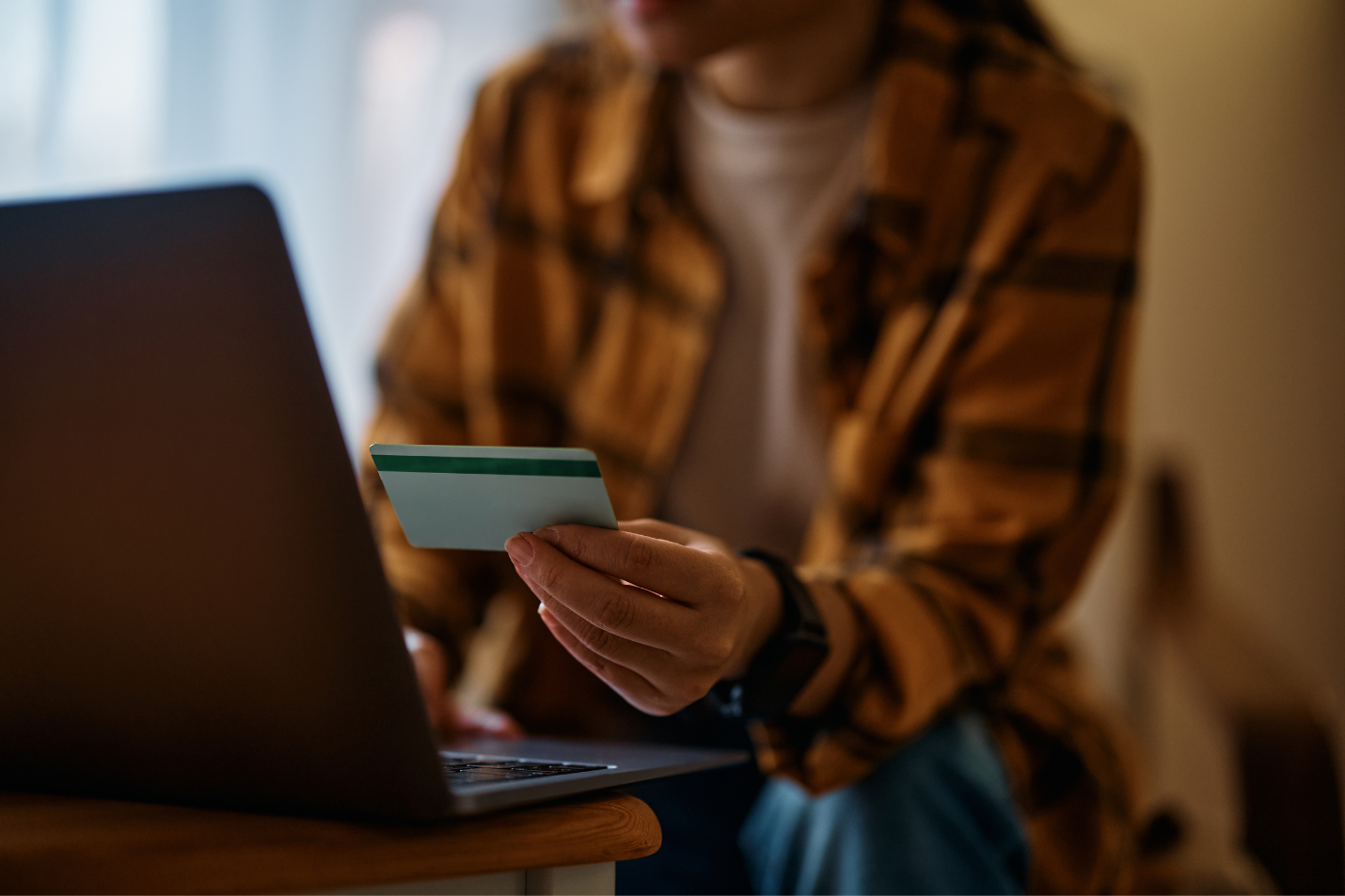

Social media scams cost Americans more than $2.1 billion in 2025 alone, underscoring the importance of identifying the latest schemes and protecting yourself online.
How Common Are Social Media Scams?
While platforms like Facebook, Instagram, and TikTok aren't necessarily where the highest number of scams occur, they are where victims report losing the most money.
According to data from the Federal Trade Commission (FTC), Americans lost more than $2.1 billion to social media scams in 2025 alone—more than through any other method of contact.
For scammers, social media offers direct access to billions of potential targets. Fake profiles, fraudulent ads, impersonation schemes, and investment scams can spread quickly across these platforms, making it easier than ever for criminals to reach unsuspecting users.
The good news is that most social media scams share common warning signs. By learning how these scams work and recognizing the red flags, you can significantly reduce your risk of becoming a victim.
The 9 Latest Social Media Scams to Avoid in 2026
Social media has become a part of everyday life for billions of people, but it's also become one of the most common places for scammers to find new victims.
Over the past few years, social media scams have surged at an alarming rate. Since 2020, reported losses linked to scams that started on social platforms have increased more than eightfold. In fact, nearly 30% of people who reported being scammed said their interaction with the scammer began on social media, with Facebook remaining one of the most frequently reported platforms.
Scammers are constantly evolving their tactics, using fake profiles, fraudulent ads, impersonation schemes, investment opportunities, and even AI-generated content to trick unsuspecting users. A single message, friend request, or sponsored post can sometimes be all it takes to start a costly scam.
The good news is that many of these scams follow familiar patterns. By understanding how they work and learning to spot the warning signs, you can significantly reduce your chances of becoming a victim.
Below, we've rounded up the latest and most common social media scams identified by consumer protection organizations, including the Federal Trade Commission (FTC), the Federal Bureau of Investigation (FBI), and the Better Business Bureau (BBB).
1. Fraudulent Investment Opportunities
Investment scams remained one of the most financially damaging fraud schemes in 2025, with victims losing billions of dollars. Unfortunately, social media has become a favorite hunting ground for scammers looking to promote fake investment opportunities.
These scams can appear in many different forms. You might come across a convincing video featuring a celebrity or public figure seemingly endorsing an investment platform, a sponsored ad promising extraordinary returns, or a WhatsApp, Telegram, or Facebook group where self-proclaimed "investment experts" share exclusive tips and strategies.
While the tactics vary, the goal is always the same: convince you to send money, invest in a fraudulent platform, purchase worthless cryptocurrency, or pay additional "fees" and "taxes" to unlock profits that don't actually exist.
Many scammers are patient. They may even show you fake account balances or allow you to withdraw a small amount of money initially to gain your trust before encouraging you to invest larger sums.
How to Protect Yourself
Research before investing. Never act on unsolicited investment advice from strangers, social media influencers, or online groups without conducting thorough research. Make sure you fully understand the investment, the company behind it, and the potential risks involved.
Be skeptical of guaranteed profits. Legitimate investments always carry some level of risk. If someone promises consistent returns, little risk, or unusually high profits, it's a major red flag.
Watch out for "pig butchering" scams. These scams often begin with small, believable gains designed to build your confidence. Once you've invested more money, the scammer disappears or prevents you from accessing your funds.
Remember: if it sounds too good to be true, it probably is. There are no secret shortcuts to guaranteed wealth. Scammers often exploit people's desire for quick financial success by promoting "exclusive" opportunities that don't exist.
2. Fake Shopping Ads
Scrolling through social media and spotting an incredible deal can be tempting. Unfortunately, scammers know this—and they're getting increasingly sophisticated at creating fake shopping ads that look completely legitimate.
In 2025, shopping scams were among the most reported social media scams, with many victims paying for products that either never arrived or turned out to be cheap counterfeits. From designer handbags and electronics to clothing and home goods, scammers use targeted ads to lure shoppers with prices that seem too good to pass up.
These fraudulent ads often mimic well-known brands and retailers, using stolen product photos, fake customer reviews, and professional-looking websites. In some cases, the websites are designed to closely resemble legitimate online stores, making it difficult for shoppers to spot the difference. Once you make a purchase, however, the scammers either disappear with your money or use the transaction to collect sensitive financial information.
How to Protect Yourself
Shop directly from trusted retailers. If you see an attractive offer on social media, visit the retailer's official website by typing the web address directly into your browser instead of clicking the ad. Many legitimate stores will honor promotions or offer similar discounts.
Research unfamiliar sellers. Before making a purchase from a store you've never heard of, spend a few minutes researching the company. Search for customer reviews, complaints, and scam reports. Looking up terms such as "[brand name] reviews," "[brand name] scam," or "[brand name] legit" can reveal valuable information.
Examine the website carefully. Scam stores often contain warning signs such as poor grammar, spelling mistakes, copied product descriptions, broken links, or suspiciously low prices. Pay close attention to the website's contact information, return policy, and overall professionalism.
Be cautious with unusual payment methods. Legitimate retailers typically accept secure payment options such as credit cards and reputable payment processors. Be wary of any seller requesting payment through gift cards, wire transfers, cryptocurrency, or other difficult-to-trace methods.
Trust your instincts. If a deal seems unbelievably good, there's usually a reason. Scammers rely on urgency and excitement to push shoppers into making quick decisions without doing proper research.
3. Romance Scams
Social media has made it easier than ever to connect with new people—but unfortunately, it's also made it easier for scammers to prey on those looking for friendship, companionship, or love.
Romance scammers create fake profiles and pose as attractive, successful, or caring individuals to build trust with their targets. Sometimes they present themselves as potential romantic partners, while other times they simply start as friendly online acquaintances. Their goal is to establish an emotional connection before asking for money, personal information, or participation in other scams, such as fraudulent investment opportunities.
These scammers often move surprisingly fast. After only a short period of communication, they may begin expressing strong feelings, claiming they've never met anyone like you or even talking about a future together. This tactic, commonly known as "love bombing," is designed to create a sense of emotional attachment and urgency.
Once trust has been established, the requests begin. They may claim to have a medical emergency, travel problem, business setback, or investment opportunity that requires financial assistance. In many cases, victims don't realize they're being manipulated until they've already sent money multiple times.
How to Protect Yourself
Control who can see your personal information. Romance scammers often study your social media profiles to learn about your interests, family, career, and lifestyle. The more information they gather, the easier it becomes for them to create a convincing story. Review your privacy settings and limit access to personal details whenever possible.
Treat requests for money as a major warning sign. Someone you've only met online should never ask you for money, gift cards, cryptocurrency, bank transfers, or financial assistance of any kind. No matter how convincing their story may sound, financial requests are one of the clearest indicators of a romance scam.
Verify who you're talking to. Many scammers use stolen photos, stock images, or AI-generated profile pictures to create fake identities. If something feels off, perform a reverse image search using tools such as TinEye or Google Images to see whether the photos appear elsewhere online.
Be cautious if they avoid video calls or in-person meetings. Romance scammers often have excuses for why they can't meet, turn on their camera, or verify their identity. Repeated delays and excuses should raise concerns.
Take your time. Genuine relationships develop naturally. Be wary of anyone who declares their love very quickly, pressure you to move conversations off-platform, or tries to create an intense emotional connection within days or weeks of meeting.
4. Fake Job Offers and Business Opportunities
With remote work becoming increasingly popular, scammers have found a lucrative opportunity to target job seekers through social media. Fake job postings, work-from-home opportunities, and business ventures frequently appear on platforms like Facebook, LinkedIn, Instagram, and even messaging apps.
These scams often promise flexible schedules, high earnings, and little to no experience requirements. While the offer may seem appealing, the goal is usually to either steal your money or collect sensitive personal information.
In some cases, scammers will tell you that you've been hired and ask you to purchase equipment, software, certifications, or training materials before you can begin work. Once you send the money, the "employer" disappears.
In other cases, the scam is designed to harvest personal information. Fraudsters may ask you to complete a job application that requests details such as your Social Security number, driver's license information, banking details, or home address. This information can then be used for identity theft or other fraudulent activities.
Some scammers even send victims large checks and instruct them to deposit the funds, purchase equipment, and send a portion of the money back. The original check eventually bounces, leaving the victim responsible for the entire amount.
How to Protect Yourself
Research every company before applying. Take a few minutes to verify that the company is legitimate. Visit its official website, check employee profiles on LinkedIn, and read reviews on trusted platforms such as Glassdoor. If you find little information about the company online, proceed with caution.
Never pay upfront for a job. Legitimate employers do not require candidates to purchase equipment, training, software, or certifications before starting work. Requests for upfront payments are one of the clearest signs of a job scam.
Be cautious when sharing personal information. Avoid providing sensitive details such as your Social Security number, banking information, or copies of government-issued IDs until you've verified the employer's legitimacy and completed the official hiring process.
Watch for unrealistic promises. High salaries, guaranteed income, and "easy money" opportunities that require little effort are often designed to attract victims quickly.
Avoid check-payment schemes. If a company sends you a check and asks you to return part of the money, it's almost certainly a scam. Even if the funds initially appear in your account, the check can later be identified as fraudulent, leaving you responsible for the loss.
Trust your instincts. If a job offer feels rushed, too good to be true, or lacking in professional communication, take a step back and verify the opportunity before moving forward.
5. Fake Rental Listings
Searching for a new home can be stressful, and scammers often take advantage of that urgency. Social media platforms, especially Facebook, have become popular places for fraudsters to post fake rental listings that appear completely legitimate at first glance.
These scams typically involve criminals copying real property listings and reposting them with altered contact information. The scammer then poses as the landlord or property manager and pressures prospective renters to act quickly, often claiming there is high demand for the property.
Victims are commonly asked to send a security deposit, application fee, or holding payment before they've had the chance to view the property in person. Once the money is sent, the scammer disappears—and the rental either doesn't exist or belongs to someone else entirely.
In some cases, scammers also use the rental application process to collect sensitive personal information that can later be used for identity theft.
How to Protect Yourself
Be cautious of landlords who won't meet in person. While virtual tours have become more common, legitimate landlords and property managers should be able to arrange an in-person viewing or verify their identity. Be skeptical of anyone who refuses to meet, repeatedly makes excuses, or insists on handling everything online.
Verify the property independently. Search the property address online to see if it's listed elsewhere and compare the contact information. If the same property appears on multiple sites with different prices or different contact details, it could be a scam.
Never send money before confirming the rental. Avoid paying deposits, application fees, or rent until you've verified the property, confirmed ownership or management, and reviewed a legitimate lease agreement.
Protect your personal information. Be cautious when sharing sensitive documents such as Social Security numbers, bank statements, pay stubs, driver's licenses, or other identity documents. Only provide this information after confirming you're dealing with a legitimate landlord or property management company.
Watch out for credit-check scams. Some fraudsters ask applicants to complete a "free" credit check using a link they provide. These sites may collect your personal information, enroll you in recurring paid services, or generate commissions for the scammer. If a credit check is required, use a reputable service that you choose yourself.
Be wary of deals that seem unusually good. If a rental property is significantly cheaper than similar listings in the same area, it could be a warning sign. Scammers often use below-market prices to attract as many potential victims as possible.
Taking a few extra minutes to verify a property and landlord can help you avoid losing money—and prevent your personal information from falling into the wrong hands.
6. Social Media Account Takeovers
Imagine logging into your social media account only to discover that you've been locked out—and someone else is posting content under your name. Unfortunately, social media account takeovers are becoming increasingly common, and the consequences can be far more serious than simply losing access to your profile.
Account takeover scams occur when cybercriminals gain unauthorized access to your social media account. This can happen through phishing attacks, fake login pages, malware, weak passwords, or credentials that were exposed in previous data breaches. In some cases, hackers purchase stolen usernames and passwords from underground marketplaces and use them to access accounts where users have reused the same password across multiple platforms.
Once scammers gain control of an account, they often exploit the trust you've built with friends, family, and followers. They may promote fake investment opportunities, advertise fraudulent giveaways, send phishing links through direct messages, or impersonate you to collect personal information from your contacts.
In more serious cases, a compromised social media account can become a gateway to other online services. Many websites allow users to sign in using Facebook, Google, or other social media accounts, which means a single account takeover can potentially lead to additional security risks.
How to Protect Yourself
Use strong, unique passwords for every account. Avoid reusing passwords across multiple platforms. A password manager can help you create and store complex passwords securely.
Enable two-factor authentication (2FA). Adding a second layer of security makes it significantly more difficult for attackers to access your account, even if they obtain your password.
Regularly review your account security settings. Most social media platforms offer security checkup tools that allow you to review login activity, connected devices, recovery information, and account permissions.
Monitor for data breaches. If your email address or password has been exposed in a data breach, change your credentials immediately. Using a breach-monitoring service can help you identify compromised accounts before criminals take advantage of them.
Be cautious of unexpected messages from friends. If a friend suddenly starts promoting investments, giveaways, cryptocurrency opportunities, or asks you to click unusual links, their account may have been compromised. Verify the message through a phone call, text message, or another trusted communication channel before responding.
Act quickly if you suspect your account has been hacked. Change your password immediately, revoke access to unknown devices, notify your contacts, and use the platform's account recovery process to regain control.
Your social media accounts contain valuable personal information and trusted relationships. Taking a few simple security precautions can significantly reduce the risk of becoming a victim of account takeover fraud.
7. Fake Giveaways, Contests, and Sweepstakes
Who doesn't love the idea of winning a free vacation, the latest smartphone, or a cash prize? Scammers know this, which is why fake giveaways and sweepstakes remain one of the most effective social media scams year after year.
These scams often begin with a message, comment, or notification claiming that you've won a prize. Sometimes the scam is completely random, but in many cases, fraudsters specifically target people who have recently entered legitimate contests on social media. By impersonating a well-known brand, influencer, or company, scammers make their messages appear authentic and convincing.
Once they have your attention, they'll tell you that you need to take one final step to claim your prize. This usually involves paying a "processing fee," covering "shipping costs," paying "taxes," or providing sensitive financial information. In reality, there is no prize—and any money or information you provide goes directly to the scammer.
Some giveaway scams are also designed to steal personal information, login credentials, or payment card details through fake claim forms and fraudulent websites.
How to Protect Yourself
Never pay to receive a prize. Legitimate sweepstakes, lotteries, and giveaways do not require winners to pay taxes, shipping fees, handling charges, or processing costs upfront. If someone asks for money before releasing your prize, it's almost certainly a scam.
Verify the sender's identity. Scammers often create fake profiles that closely resemble legitimate brands, influencers, or companies. Before responding, carefully check the account's username, follower count, posting history, and verification status.
Contact the company directly. If you believe you may have won a legitimate contest, visit the company's official website or social media page and contact them using verified contact information. Don't rely solely on messages sent through social media.
Be cautious with links and forms. Fraudsters frequently direct victims to fake websites designed to collect personal information, payment details, or account credentials. Avoid clicking suspicious links or completing forms unless you've verified their authenticity.
Remember one simple rule: If you don't remember entering a contest—or if winning requires sending money first—it's likely a scam.
A genuine prize should leave you feeling excited, not pressured to pay fees or share sensitive information. When in doubt, take a few minutes to verify the offer before taking any action.
8. Brand and Celebrity Impersonation Scams
Social media has made it easier than ever to connect with brands, influencers, and public figures—but it's also made it easier for scammers to impersonate them.
In a brand or celebrity impersonation scam, fraudsters create fake social media profiles that closely mimic legitimate accounts. They often steal profile photos, copy bios, use similar usernames, and repost content to make the account appear authentic. Some scammers even impersonate friends, family members, or well-known companies to gain your trust.
Once they've established credibility, the scammer may send direct messages promoting fake giveaways, exclusive investment opportunities, cryptocurrency schemes, or requests for financial assistance. In other cases, they'll try to lure victims to phishing websites designed to steal login credentials, payment information, or other sensitive data.
These scams can be particularly convincing because they exploit the trust people naturally place in recognizable names and familiar faces.
How to Protect Yourself
Think critically before responding. If a celebrity, influencer, executive, or major brand suddenly reaches out to you directly, especially with requests involving money or personal information, proceed with extreme caution. Legitimate public figures rarely contact fans privately to offer investments, ask for donations, or provide financial opportunities.
Verify the account. Take a closer look at the profile before engaging. Check for verification badges when applicable, review the account's posting history, follower count, engagement levels, and how long the profile has been active.
Watch for lookalike usernames. Scammers often create handles that closely resemble legitimate accounts by adding extra characters, numbers, underscores, or slight spelling variations. At a quick glance, these profiles can appear genuine.
Visit official channels directly. If a message claims to come from a company, celebrity, or influencer, visit their verified website or official social media page to confirm whether the offer or communication is legitimate.
Be wary of urgent requests and exclusive offers. Scammers frequently use urgency to pressure victims into acting quickly before they have time to verify the account. Claims such as "limited-time investment opportunities," "exclusive prizes," or "immediate payment required" should raise suspicion.
Never share sensitive information through direct messages. Legitimate brands and public figures won't ask for passwords, banking details, security codes, or other confidential information through social media.
As impersonation scams become more sophisticated, taking a few extra moments to verify an account can help protect both your finances and your personal information.
9. Phishing Attacks Through Malicious Links and Fake Websites
Phishing remains one of the oldest—and most effective—scams on the internet. Despite growing awareness, cybercriminals continue to successfully trick millions of people into revealing sensitive information through deceptive messages and fake websites.
On social media, phishing scams often begin with a seemingly innocent direct message. You might receive a message from a friend, acquaintance, or even a stranger saying something like, "Is this you in this photo?" or "I can't believe this happened to you!" followed by a link. In many cases, the account sending the message has already been compromised, making the message appear trustworthy.
Once you click the link, several things can happen. You may be redirected to a fake login page designed to steal your username and password, asked to provide personal information, or unknowingly download malware onto your device. Some phishing websites closely mimic popular services such as Facebook, Instagram, Gmail, banking websites, or online shopping platforms, making them difficult to distinguish from the real thing.
As scammers continue to improve their tactics using AI-generated content and realistic website designs, phishing attacks are becoming more convincing than ever.
How to Protect Yourself
Avoid clicking suspicious links. If a message seems unexpected, urgent, or out of character, think twice before clicking. On desktop devices, hover over links to preview the destination URL. On mobile devices, use a long press to view the web address before opening it.
Verify messages independently. If a friend sends you a strange link or unusual message, contact them through another method—such as a phone call, text message, or separate social media platform—to confirm whether they actually sent it.
Never share passwords or authentication codes. Scammers often impersonate customer support representatives, security teams, or platform administrators. Legitimate companies will never ask for your password, one-time verification codes, or two-factor authentication (2FA) codes through social media messages, emails, or phone calls.
Navigate to websites directly. If a message claims there's an issue with one of your accounts, don't click the provided link. Instead, open a new browser tab and manually type the official website address or use a saved bookmark.
Look closely at website addresses. Phishing websites often use slightly altered domain names designed to look legitimate. A single extra character, misspelling, or unusual extension can indicate a fraudulent website.
Keep your devices protected. Regular software updates, antivirus tools, and browser security features can help block malicious websites and malware before they cause harm.
When it comes to phishing scams, a few extra seconds of caution can save you from identity theft, financial loss, and compromised online accounts. If a message feels suspicious, trust your instincts and verify it before taking any action.
How to Identify a Scammer on Social Media
Scammers come in many forms, but most of them share a few common warning signs. If you notice any of the following red flags, take extra precautions before engaging with the account.
The Profile Is Brand New or Barely Active
Many scammers create fresh social media accounts to avoid detection. If a profile has very few friends, followers, posts, or interactions—or was created recently—it may not be legitimate.
While not every new account is a scam, it's worth being cautious if the person immediately starts promoting products, investments, giveaways, or personal opportunities.
The Account Appears to Be a Friend You Already Know
Scammers frequently create "cloned" profiles by copying photos and information from real users. They then send friend requests to the victim's contacts, hoping to gain trust and launch a scam.
If you receive a friend request from someone, you're already connected with, verify it through another communication channel before accepting.
You Receive an Unexpected Message With a Link
One of the most common social media scams starts with a simple direct message.
Messages such as "Is this you in this photo?" or "I saw this and thought of you" are often designed to get you to click a malicious link. Doing so could lead to a phishing website or malware download.
If a message seems unusual, contact the sender directly to verify it before clicking anything.
They Ask You for Money or Cryptocurrency
This is one of the biggest red flags on social media.
Whether it's a new online friend, a supposed celebrity, a giveaway organizer, or even someone claiming to be a family member, requests for money should immediately raise suspicion.
Scammers commonly ask for payment through:
- Gift cards
- Wire transfers
- Cryptocurrency
- Payment apps
- Prepaid debit cards
Legitimate organizations and individuals rarely request payment through these methods.
The Deal Seems Too Good to Be True
Scammers often use incredible discounts, limited-time offers, luxury products at unusually low prices, or guaranteed investment returns to attract victims.
If something appears significantly better than what you'd normally expect, take the time to verify the offer before acting.
They Want to Move the Conversation Off Social Media
Fraudsters often encourage victims to continue conversations through text messages, WhatsApp, Telegram, email, or other private channels.
This helps them avoid platform monitoring systems and allows them to continue the scam even if their social media account is reported or removed.
If someone you've just met online is eager to move the conversation elsewhere, proceed with caution.
What to Do If You've Been Scammed on Social Media
If you've clicked a suspicious link, shared personal information, sent money, or believe your account has been compromised, acting quickly can help limit the damage.
1. Secure Your Accounts Immediately
Change the passwords for any affected accounts and enable two-factor authentication (2FA) if you haven't already.
You should also:
- Log out of all active sessions
- Update recovery email addresses and phone numbers
- Review connected devices and apps
- Remove any suspicious account permissions
2. Contact Your Financial Institutions
If you've sent money or shared financial information, contact your bank, credit card provider, payment app, or cryptocurrency exchange immediately.
Ask to speak with the fraud department and explain what happened. In some cases, they may be able to stop or reverse unauthorized transactions.
3. Freeze Your Credit
If you've shared sensitive personal information, consider placing a credit freeze or fraud alert with the major credit bureaus.
This helps prevent criminals from opening new credit accounts, loans, or lines of credit in your name.
4. Report the Scam
Reporting scams helps platforms identify and remove fraudulent accounts before they can target more victims.
You should:
- Report the account to the social media platform
- File a report with your local consumer protection agency
- Report identity theft if your personal information was exposed
5. Scan Your Devices for Malware
If you clicked a suspicious link or downloaded a file, run a full malware scan on your computer, phone, or tablet.
Cybercriminals often use social media scams to install spyware, password stealers, and other malicious software on victims' devices.
Stay Vigilant
Social media scams continue to evolve, but most rely on the same tactics: creating urgency, building trust, and exploiting emotions. By staying skeptical of unsolicited messages, verifying identities, and protecting your personal information, you can significantly reduce your risk of becoming a victim.
The best defense against social media scams isn't technology—it's awareness.
Scammers are constantly evolving their tactics, which is why many people choose to add an extra layer of protection. Priil's all-in-one digital security platform helps monitor, detect, and defend against online threats, giving you and your family greater peace of mind.
Like 0